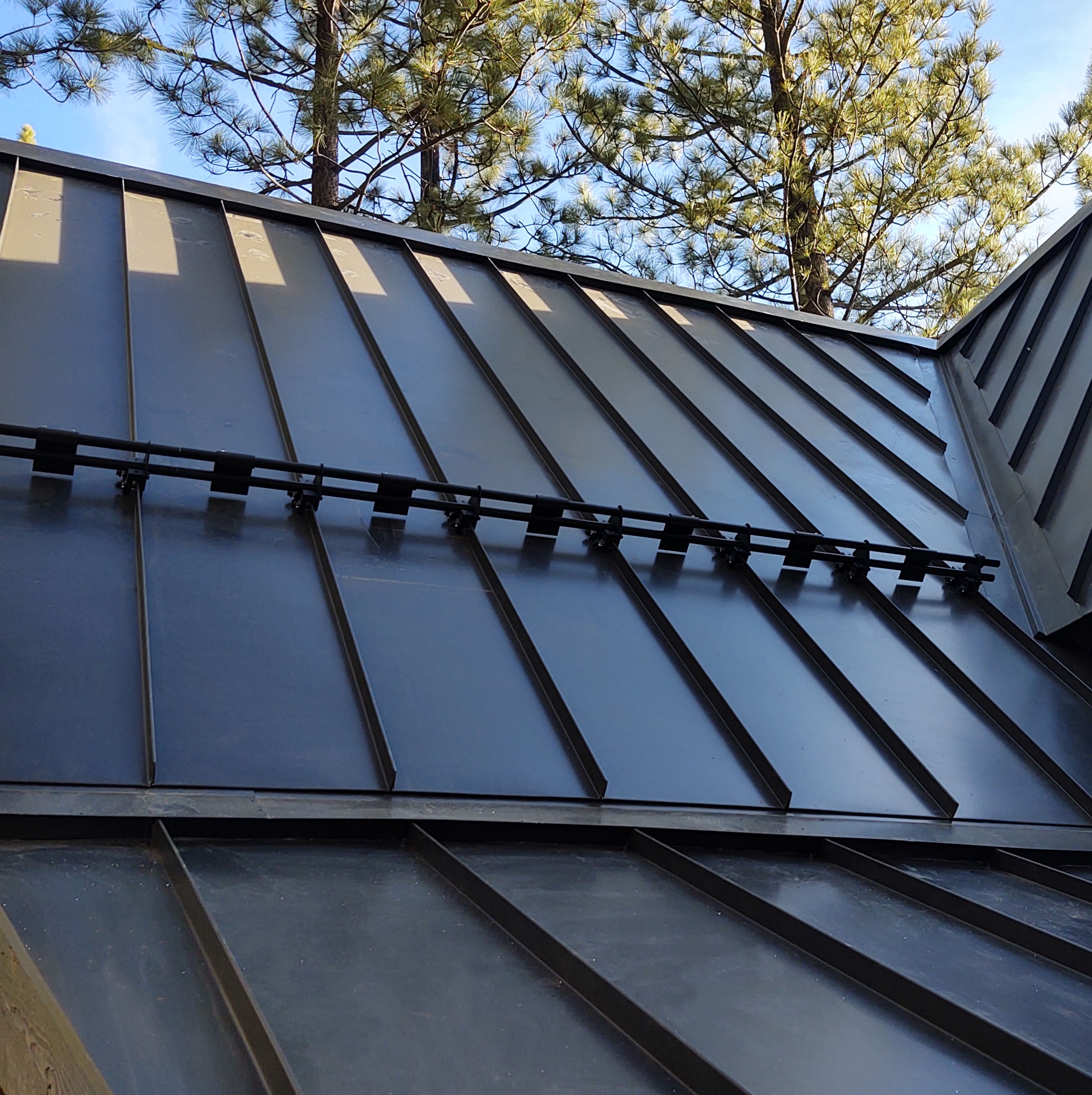
What Condensation Is and Why It Forms
Understanding what condensation is and why it forms helps a Trafalgar homeowner. Here is the explanation.
Warm, Moist Air Meets a Cool Surface
Condensation forms when warm, moist air meets a cooler surface and the moisture in the air condenses into water on that surface, the same way water forms on a cold glass. This is the basic mechanism. Warm moist air meets cool. The moisture condenses. It forms water. It is a physical process.
Under a Roof
Under a roof, condensation can form when warm, moist air from the home rises into the attic and meets the cooler underside of the roof, where the moisture condenses. This is how it occurs on a roof. The air rises into the attic. It meets the cool roof. The moisture condenses there. It forms on the underside.
The Moisture Source
The moist air comes from everyday activities in the home and from humidity, which sends moisture up into the attic where, without management, it can condense. The moisture originates in the home. It rises into the attic. It comes from daily life. It needs managing. It is the source.
When Conditions Allow
Condensation forms when conditions allow, particularly when insulation, ventilation, or vapor control is inadequate, letting moist air reach the cool roof and condense. The conditions enable it. Inadequate control allows it. It depends on the setup. It forms when unmanaged. It is condition dependent.
What It Is, in Short
Condensation forms when warm, moist air meets a cooler surface and the moisture condenses into water, which under a roof happens when moist air from the home meets the cool underside of the roof, occurring particularly when insulation, ventilation, or vapor control is inadequate.
One point worth making clear for Trafalgar homeowners is the distinction between condensation and a leak, because moisture appearing under a roof is one of the more commonly misunderstood roofing situations, and getting the diagnosis right is essential to actually solving the problem. The two have entirely different causes. A leak is water entering from outside, through some opening or failure in the roof, and finding its way in. Condensation, by contrast, is moisture that originates inside, it forms when warm, moist air, generated by everyday activities in the home and by humidity, rises up into the attic and meets the cooler underside of the roof, where, just as water beads on the outside of a cold glass on a humid day, the moisture in that air condenses into water on the cool surface. Because both situations show up as moisture or dampness under the roof, they are easily confused, but the way to tell them apart lies in the pattern and the conditions. A leak tends to relate to rain and to a specific point of entry, so it often appears during or after rainfall and in a particular spot. Condensation relates instead to temperature and humidity, so it tends to appear under certain conditions of cold and moist air and can be more widespread across the underside of the roof. A professional can assess these factors to determine which is occurring, and this matters enormously, because the fixes are completely different. A leak is solved by finding and sealing the point where water is getting in, whereas condensation is solved not by sealing anything but by managing the moisture and temperature in the attic. Treating condensation as if it were a leak, or a leak as if it were condensation, simply will not work.
One point worth making clear for Trafalgar homeowners is the distinction between condensation and a leak, because moisture appearing under a roof is one of the more commonly misunderstood roofing situations, and getting the diagnosis right is essential to actually solving the problem. The two have entirely different causes. A leak is water entering from outside, through some opening or failure in the roof, and finding its way in. Condensation, by contrast, is moisture that originates inside, it forms when warm, moist air, generated by everyday activities in the home and by humidity, rises up into the attic and meets the cooler underside of the roof, where, just as water beads on the outside of a cold glass on a humid day, the moisture in that air condenses into water on the cool surface. Because both situations show up as moisture or dampness under the roof, they are easily confused, but the way to tell them apart lies in the pattern and the conditions. A leak tends to relate to rain and to a specific point of entry, so it often appears during or after rainfall and in a particular spot. Condensation relates instead to temperature and humidity, so it tends to appear under certain conditions of cold and moist air and can be more widespread across the underside of the roof. A professional can assess these factors to determine which is occurring, and this matters enormously, because the fixes are completely different. A leak is solved by finding and sealing the point where water is getting in, whereas condensation is solved not by sealing anything but by managing the moisture and temperature in the attic. Treating condensation as if it were a leak, or a leak as if it were condensation, simply will not work.
One point worth making clear for Trafalgar homeowners is the distinction between condensation and a leak, because moisture appearing under a roof is one of the more commonly misunderstood roofing situations, and getting the diagnosis right is essential to actually solving the problem. The two have entirely different causes. A leak is water entering from outside, through some opening or failure in the roof, and finding its way in. Condensation, by contrast, is moisture that originates inside, it forms when warm, moist air, generated by everyday activities in the home and by humidity, rises up into the attic and meets the cooler underside of the roof, where, just as water beads on the outside of a cold glass on a humid day, the moisture in that air condenses into water on the cool surface. Because both situations show up as moisture or dampness under the roof, they are easily confused, but the way to tell them apart lies in the pattern and the conditions. A leak tends to relate to rain and to a specific point of entry, so it often appears during or after rainfall and in a particular spot. Condensation relates instead to temperature and humidity, so it tends to appear under certain conditions of cold and moist air and can be more widespread across the underside of the roof. A professional can assess these factors to determine which is occurring, and this matters enormously, because the fixes are completely different. A leak is solved by finding and sealing the point where water is getting in, whereas condensation is solved not by sealing anything but by managing the moisture and temperature in the attic. Treating condensation as if it were a leak, or a leak as if it were condensation, simply will not work.
Get Condensation Managed
Trafalgar Metal Roofing installs metal roofing that manages condensation across Trafalgar and Johnson County. Call (765) 676-3491 for a free consultation on a roof setup that keeps condensation from forming.